

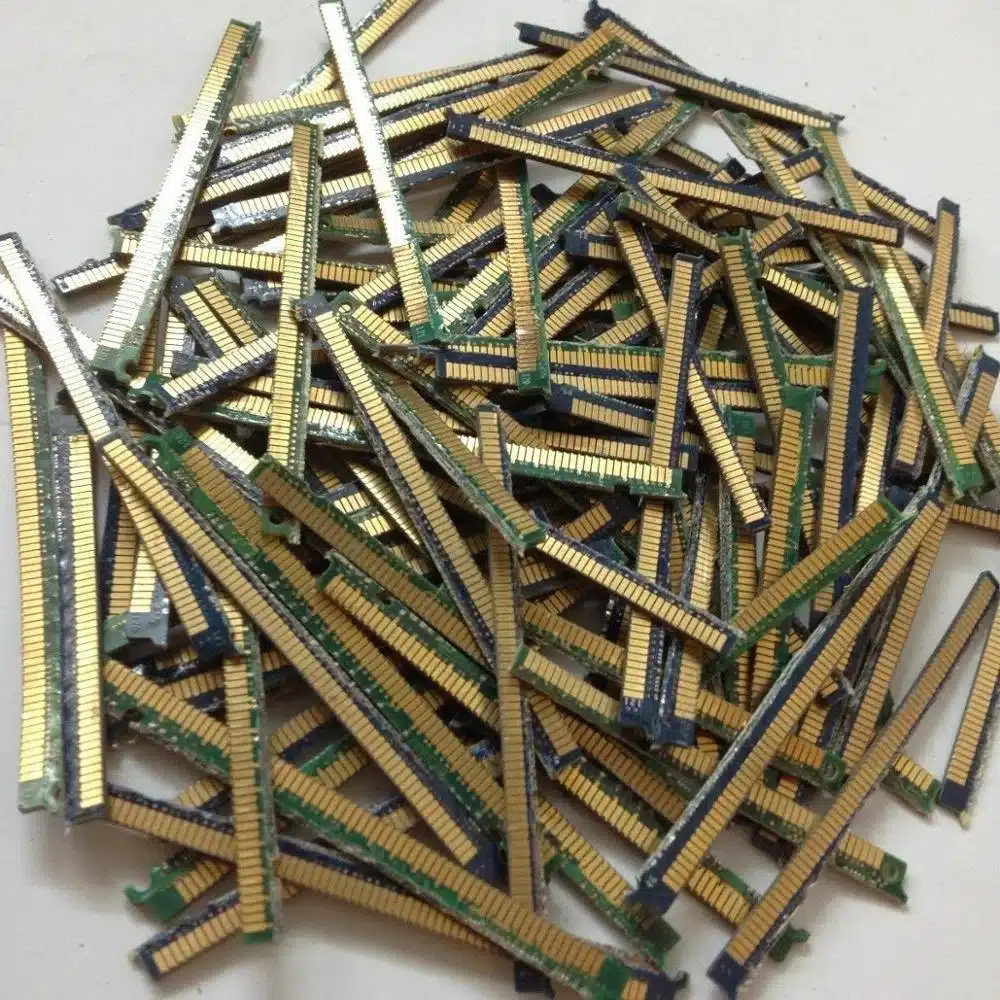
Introduction to Trimmed Gold Fingers Scrap Recycling
6 Top Mistakes to Avoid When Recycling Trimmed Gold Fingers Scrap has become one of the most valuable materials in the electronic recycling industry because it contains small amounts of recoverable gold from old computer boards and connectors. As the demand for precious metal recovery continues to grow, many recyclers and businesses are turning to electronic scrap recycling as a profitable opportunity. However, despite the growing popularity of gold recovery, many beginners and even experienced recyclers make avoidable mistakes that reduce profits and create safety risks. Therefore, understanding these common mistakes is essential for improving recovery rates and maximizing the value of Trimmed Gold Fingers Scrap.
Mistake #1: Failing to Separate High-Grade and Low-Grade Scrap : 6 Top Mistakes to Avoid When Recycling Trimmed Gold Fingers Scrap
One of the biggest mistakes recyclers make is mixing high-grade Trimmed Gold Fingers Scrap with low-value electronic waste. Since not all electronic connectors contain the same amount of gold plating, proper sorting is extremely important. For example, older computer gold fingers often contain thicker gold layers than newer electronic parts. Consequently, mixing valuable scrap with low-grade materials may lower the overall recovery value. In addition, organized sorting helps recyclers estimate gold content more accurately and improves pricing negotiations when selling scrap materials.
Mistake #2: Using Unsafe Gold Recovery Methods
Another serious mistake involves attempting gold recovery without proper knowledge, equipment, or safety precautions. Some people use dangerous chemicals during the refining process without understanding the risks involved. As a result, they may expose themselves to toxic fumes, burns, and environmental hazards. Furthermore, improper refining methods can lead to significant gold loss and reduced efficiency. Therefore, anyone working with Trimmed Gold Fingers Scrap should prioritize safety by wearing protective equipment and following approved recycling procedures at all times. 6 Top Mistakes to Avoid When Recycling Trimmed Gold Fingers Scrap
Mistake #3: Ignoring Current Gold Scrap Market Prices : 6 Top Mistakes to Avoid When Recycling Trimmed Gold Fingers Scrap
Many recyclers fail to monitor gold market prices before selling their Trimmed Gold Fingers Scrap. Since gold prices fluctuate regularly, selling scrap during low market periods can reduce profitability. Additionally, some recyclers accept offers from the first buyer they contact without comparing prices from multiple refiners or scrap dealers. Consequently, they may receive far less than the actual value of their materials. To maximize profits, recyclers should research current precious metal prices, evaluate gold content carefully, and compare offers from trusted buyers before making sales decisions.
Mistake #4: Poor Cleaning and Scrap Preparation
Improper cleaning and preparation can also reduce the value of Trimmed Gold Fingers Scrap. Leftover plastic, dirt, solder, and attached materials may interfere with the refining process and lower gold recovery efficiency. Therefore, properly trimming and cleaning gold fingers before processing or selling them is extremely important. Moreover, organized storage and labeling help recyclers manage scrap inventory more efficiently. Because of this, taking extra time to prepare materials correctly can lead to better recovery results and higher profits over time. 6 Top Mistakes to Avoid When Recycling Trimmed Gold Fingers Scrap
Mistake #5: Ignoring Environmental and Legal Regulations
Electronic scrap recycling involves environmental responsibilities that many recyclers overlook. Improper disposal of chemicals and electronic waste can harm the environment and violate local laws. Furthermore, unsafe recycling practices may contribute to soil and water pollution. Consequently, recyclers who fail to follow environmental regulations may face legal penalties and reputational damage. To avoid these problems, responsible recyclers should work with certified e-waste recycling facilities and follow environmentally safe disposal methods whenever possible.
Mistake #6: Underestimating the Importance of Knowledge and Training : 6 Top Mistakes to Avoid When Recycling Trimmed Gold Fingers Scrap
Many new recyclers enter the electronic scrap industry without fully understanding gold recovery techniques, scrap grading, or refining procedures. Consequently, they often make avoidable mistakes that reduce profitability. Investing time in learning about Trimmed Gold Fingers Scrap, refining methods, and precious metal recovery can greatly improve recycling success.
Additionally, joining online recycling communities, attending industry workshops, and studying market trends can help recyclers stay updated on best practices. The more knowledge recyclers gain, the better their chances of maximizing profits while reducing risks.
Conclusion: How to Maximize Value From Trimmed Gold Fingers Scrap
Recycling Trimmed Gold Fingers Scrap can be both profitable and environmentally beneficial when done correctly. However, mistakes such as poor sorting, unsafe refining techniques, ignoring market trends, and improper preparation can significantly reduce profits and increase risks. Additionally, failing to follow environmental regulations may create long-term legal and safety concerns. Therefore, recyclers should focus on proper training, safe handling methods, and market research to improve recovery success. By avoiding these common mistakes, businesses and individuals can maximize the value of Trimmed Gold Fingers Scrap while contributing to a more sustainable electronic recycling industry.